
"Burundi export markets"
200 article(s) found

Flavor and taste characteristics of Burundian coffee manor introduction of high-quality coffee beans
There are many plateaus and mountains in Burundi, most of which are made up of the plateau on the east side of the East African Rift Valley. The national average elevation is 1600 meters, which is known as the mountain country. According to the topography of Burundi, it can be divided into three regions: the western plain, along the Ruzizi River, the Rift Albrtine plain, 774 to 1000 meters above sea level; and the central and western mountains, with an average elevation of 1700 meters, with the highest peak in Bujumbura.

What are the characteristics of Burundian coffee from the Nzove washing plant in Burundi?
Professional coffee knowledge exchange more coffee bean information please pay attention to the coffee workshop (Wechat official account cafe_style) the geographical environment of Burundi is very suitable for coffee cultivation. The territory is mountainous, with suitable altitude and climate. There are no coffee farms in the country and Burundian coffee beans are mainly produced by a large number of small farmers. In recent years, these small producers have become more and more capable of organizing.

Description of aromatic Burundian Coffee Flavor introduction to the taste of fine coffee beans in the producing area
Burundi coffee was introduced by Belgian colonists in 1930. Unfortunately, many of these farms are on the border with war-torn Rwanda, putting pressure on coffee production. Coffee production in Burundi: Burundian coffee is now grown only on small farms. Almost all the coffee produced in Burundi is Arabian coffee beans.

Burundian Coffee with strong aromatic Flavor and Taste. Introduction to the characteristics of boutique coffee beans in the manor area.
Formerly known as Urundi, Burundi formed a feudal kingdom in the 16th century. Since the middle of the 19th century, the forces of Britain, Germany and Belgium invaded. The long-ruled monarchy, which was conquered by Germany in 1890, listed it as the territory of German East Africa and fell under the control of the Belgian army in 1916. After World War I, the League of Nations merged Rwanda-

Burundian Coffee producing area the characteristics of Burundian coffee
Burundi coffee was introduced by Belgian colonists in 1930. Unfortunately, many of these farms are on the border with war-torn Rwanda, putting pressure on coffee production. Coffee production in Burundi: Burundian coffee is now grown only on small farms. Almost all the coffee produced in Burundi is Arabian coffee beans.

Introduction to the characteristics of Burundian coffee beans
Burundi coffee was introduced by Belgian colonists in 1930. Unfortunately, many of these farms are on the border with war-torn Rwanda, putting pressure on coffee production. Coffee production in Burundi: Burundian coffee is now grown only on small farms. Almost all the coffee produced in Burundi is Arabian coffee beans.

Burundian coffee bean flavor Burundian coffee beans Burundian coffee characteristics
Burundi coffee was introduced by Belgian colonists in 1930. Unfortunately, many of these farms are on the border with war-torn Rwanda, putting pressure on coffee production. Coffee production in Burundi: Burundian coffee is now grown only on small farms. Almost all the coffee produced in Burundi is Arabian coffee beans.

Burundian coffee bean flavor Burundian coffee beans Burundian coffee characteristics
Burundi coffee was introduced by Belgian colonists in 1930. Unfortunately, many of these farms are on the border with war-torn Rwanda, putting pressure on coffee production. Coffee production in Burundi: Burundian coffee is now grown only on small farms. Almost all the coffee produced in Burundi is Arabian coffee beans.

Burundian coffee history and flavor, hand data reference.
Professional coffee knowledge exchange more coffee bean information Please follow Coffee Workshop (Wechat official account cafe_style) Burundi (Burundi) has the most varied and successful coffee industry in the world, and has its own characteristics. Coffee in this country was introduced by Belgian colonists in 1930 and is now grown only on small farms. Unfortunately, many of these farms are engaged in frequent wars.

Introduction to the characteristics of coffee producing areas in Burundi, altitude flavor description, taste and variety characteristics
The characteristics of Burundian coffee producing areas, altitude, flavor, taste, flavor, flavor, taste, flavor, flavor, taste, taste, flavor, flavor, taste, flavor, taste, The average amount of coffee to drink is 80-100cc. Sometimes if you want to drink three or four cups in a row, you have to dilute the concentration of the coffee, or add a lot of cattle.

Aroma saturated Burundi coffee varietyRegional flavor Fine coffee beans Description
Coffee tastes different, so you can't drink three or four cups in a row like tea or cola, and the amount of formal coffee cup is the most appropriate. Ordinary drink coffee to 80-100cc for the right amount, sometimes if you want to drink three or four cups in a row, then you have to dilute the concentration of coffee, or add a lot of milk, but still have to consider the physiological needs of the degree, to add and subtract coffee
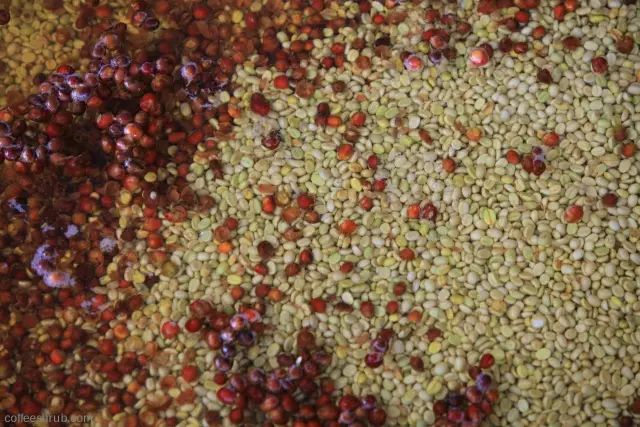
Heart of Africa Burundian Coffee | small and beautiful inland produced world-famous washed coffee
Professional coffee knowledge exchange more coffee bean information please follow Coffee Workshop (Wechat official account cafe_style) Burundi Rutana Burundian Heart of Africa country: Burundi Burundi producing area: Reuters Town Rutana altitude: 1400-1700 m treatment method: washing variety: bourbon species 01 | production area profile of Burundi, the heart of Africa.

A brief introduction to the cultivation of boutique coffee beans in Burundi, geographical location, climate and altitude
After roasting with high maturity, the bean noodles consistently show a very bright baking color, the taste is full of wild, with strong flavor and aroma, which is different from most high-quality and mild coffee on the market. Dry aroma is very strong, no less than Kenya; the entrance can feel very full-bodied, like vanilla, a little wild feeling, coffee

Burundian Coffee the characteristics and flavor description of Burundian coffee
Burundi coffee was introduced by Belgian colonists in 1930. Unfortunately, many of these farms are on the border with war-torn Rwanda, putting pressure on coffee production. Coffee production in Burundi: Burundian coffee is now grown only on small farms. Almost all the coffee produced in Burundi is Arabian coffee beans.

Boutique coffee bean producing countries introduce Burundian coffee
Burundi coffee was introduced by Belgian colonists in 1930. Unfortunately, many of these farms are on the border with war-torn Rwanda, putting pressure on coffee production. Coffee production in Burundi: Burundian coffee is now grown only on small farms. Almost all the coffee produced in Burundi is Arabian coffee beans.

Introduction to the characteristics of Burundian Coffee flavour Manor with Fruit Flavor
There are two major ethnic groups in Burundi, and only about 15 percent of the Tutsi have ruled the country since the 16th century, controlling the civilian population, which is mainly made up of Hutu, plus a very small number of indigenous Twa. This abnormal social structure in which ethnic minorities occupy a high position has buried the evil seed of national instability, and in 1